

Ceiling Suspension Mounting#
The double sided clock consists of two parts, one serving as the control module (this one encompasses the terminals to connect powering voltage, synchronization source, the temperature sensor and the keyboard to the clock) – “MASTER display”, and the other one serving as the display module (with the terminal for the connection of the interconnecting cable) – “SLAVE display”. Both clock parts are interconnected via a 10‑core flat cable. The clock suspension part is delivered separately.
Step 1
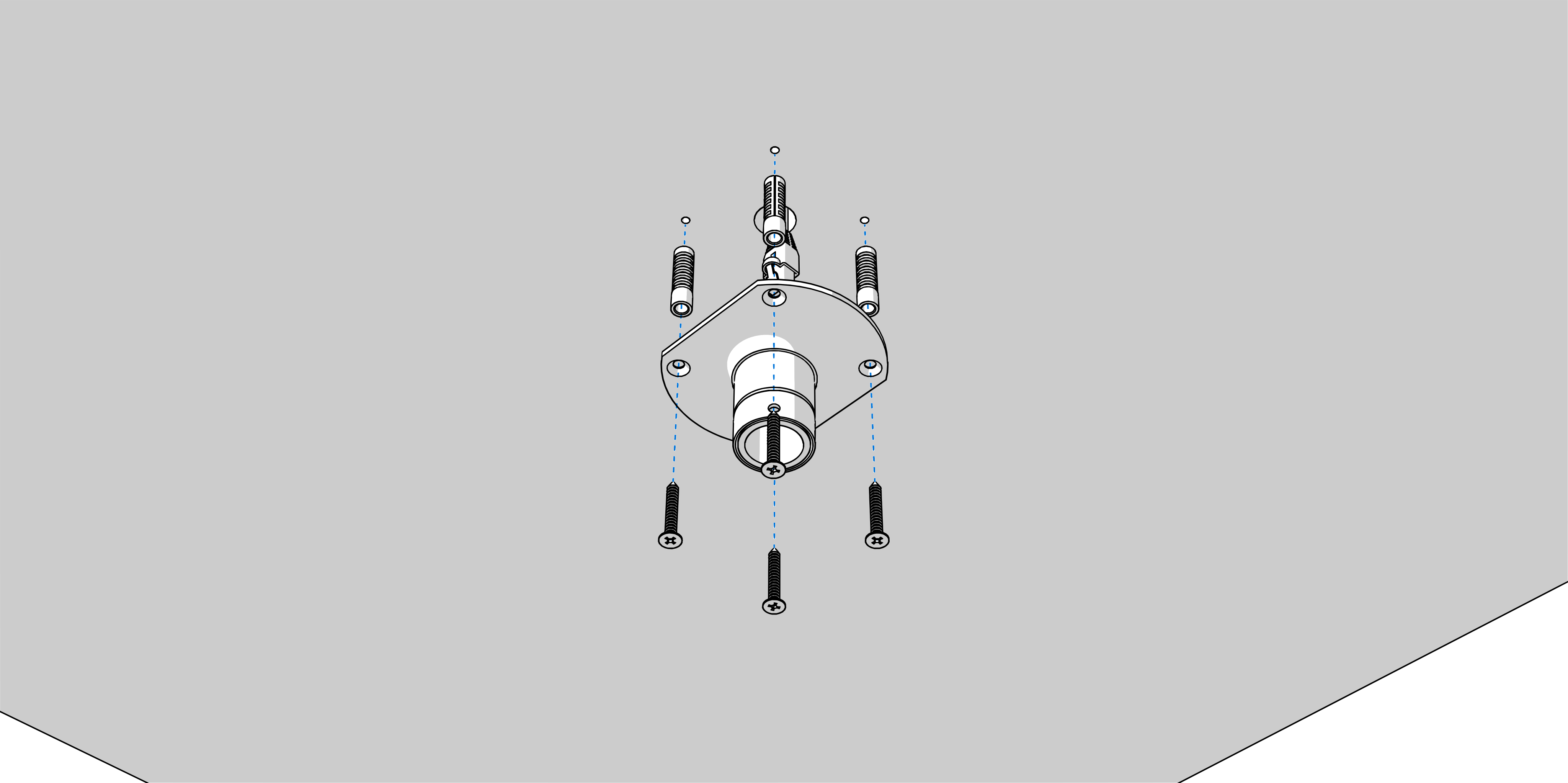
Drill four anchoring holes into a ceiling of a diameter adequate to accommodate supplied wood-type screws with dowels.
Interlace incoming cables through suspension pipe. Fasten the ceiling suspension to ceiling using 4 wood-type screws of 5 mm diameter.
Step 2
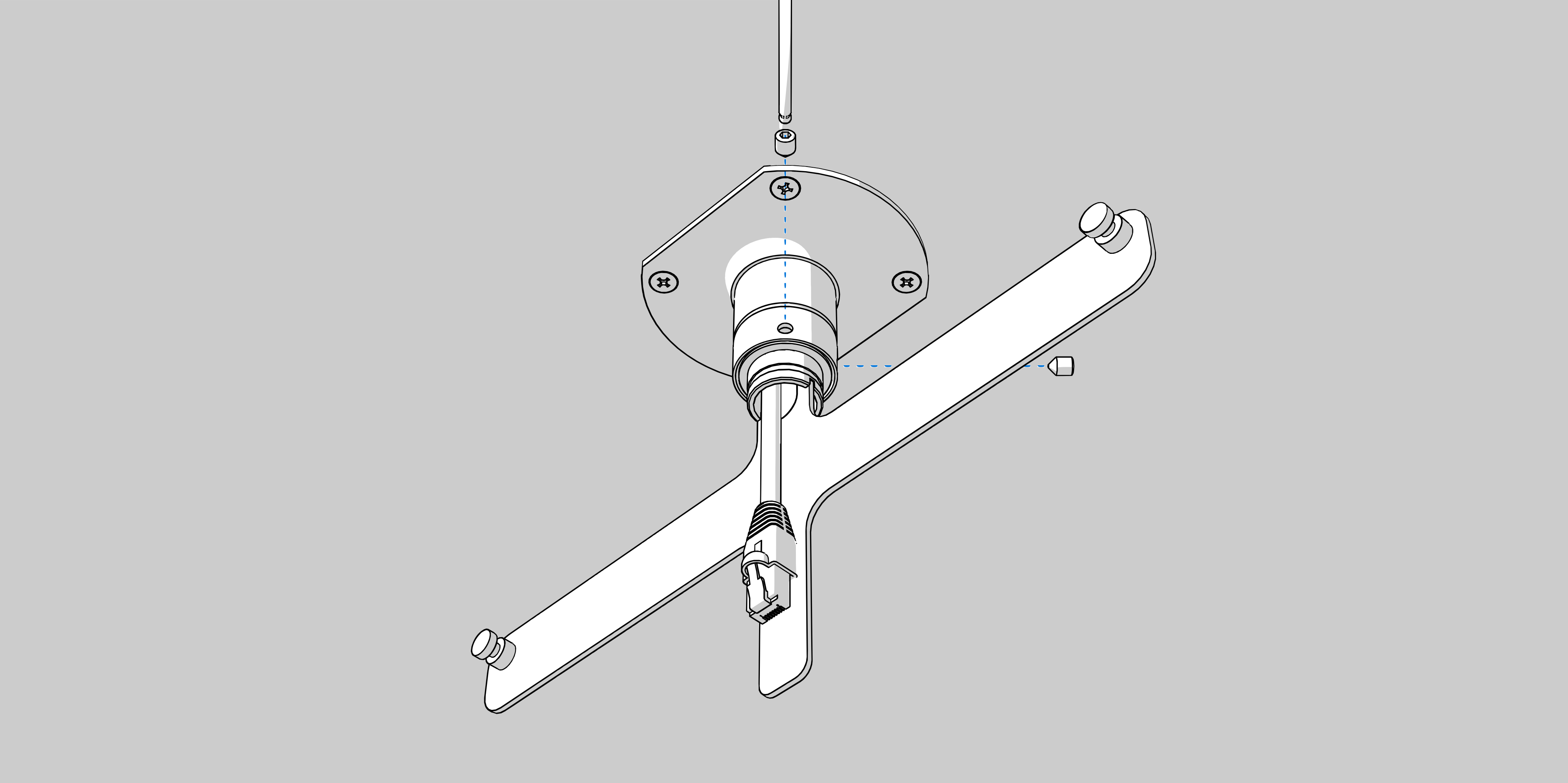
Interlace incoming cables through pipe insert on anchoring plate.
Slip-on the plate onto suspension.
Fix the connection by tightening the screws using Allen key No. 3.
Caution
The screws must fit into the upper groove on the pipe insert; otherwise, it will not be possible to mount a display part onto the anchoring plate.
After mounting the display part, it is possible to elevate the clock by securing the anchoring plate in a manner where the screws fit into the lower groove on the pipe insert.
Step 3
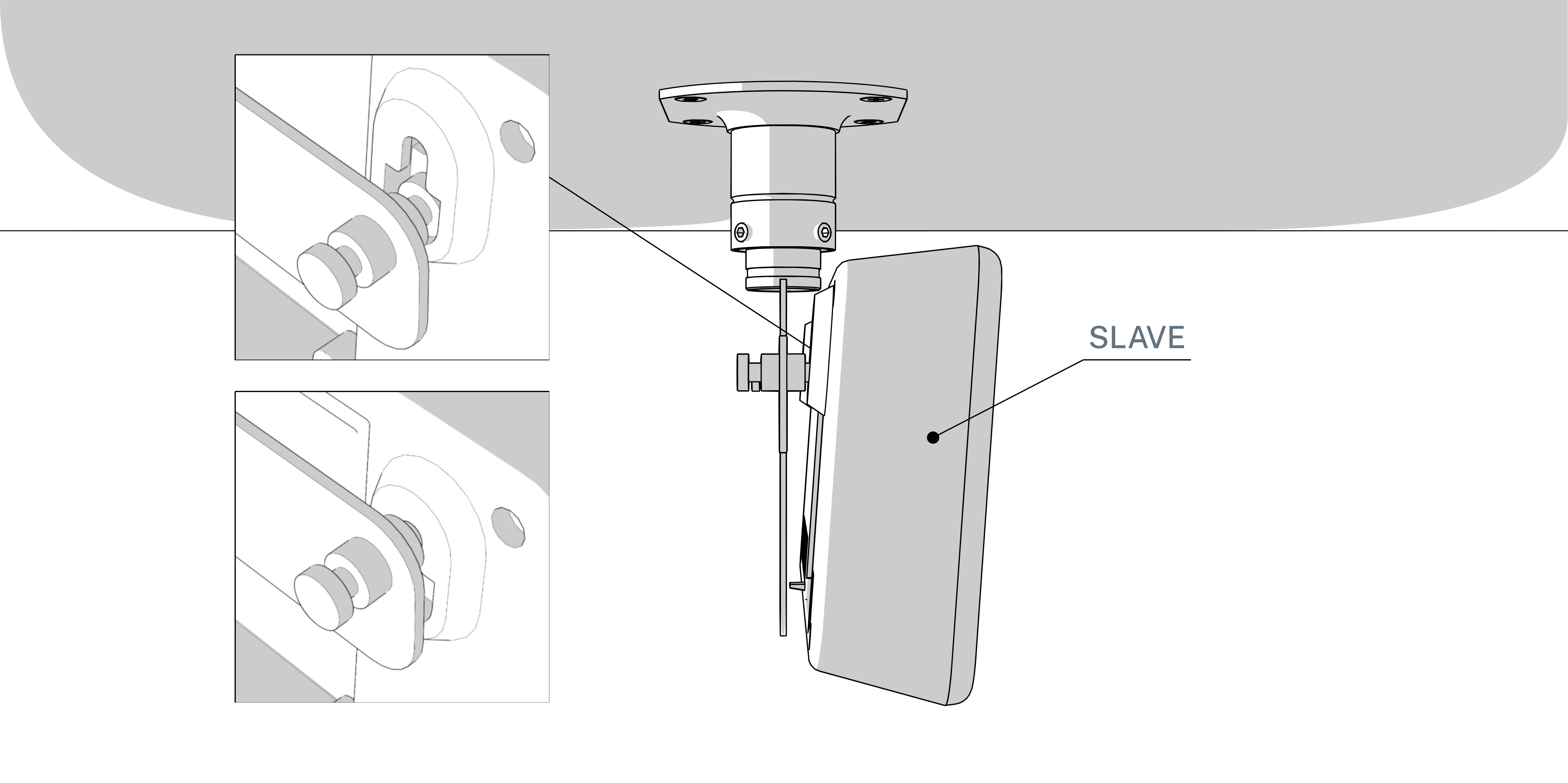
Hang the SLAVE display onto the anchoring plate.
Hint
If the clock has to be tilted down slightly, cut the supporting element on bottom of back side accordingly.
Step 4
1
See chapter Cable Connection.
Note
Connect all cables and conductors to MASTER display.
Shape or shorten the conductors so that their routing does not obstruct proper positioning and securing of the clock.
For mains‑powered clocks, mount a wide 2-pin plug-in terminal to a incoming power conductors and plug it into a corresponding terminal in the back side recess.
For PoE powered clocks, connect a PoE‑enabled Ethernet cable to the RJ‑45 connector in the back side recess.
Use a PoE switch port or PoE injector that provides the required PoE power.
Mount an appropriate plug-in terminals to the wires of the respective component (e.g., temperature sensor, keyboard, or RS‑485 interface) and plug them into the corresponding terminal in the back side recess.
Connect the Ethernet cable to the RJ-45 connector, if available.
Caution
Be careful not to swap the terminals. Check the markings of the terminals on the labels in the back side recess.
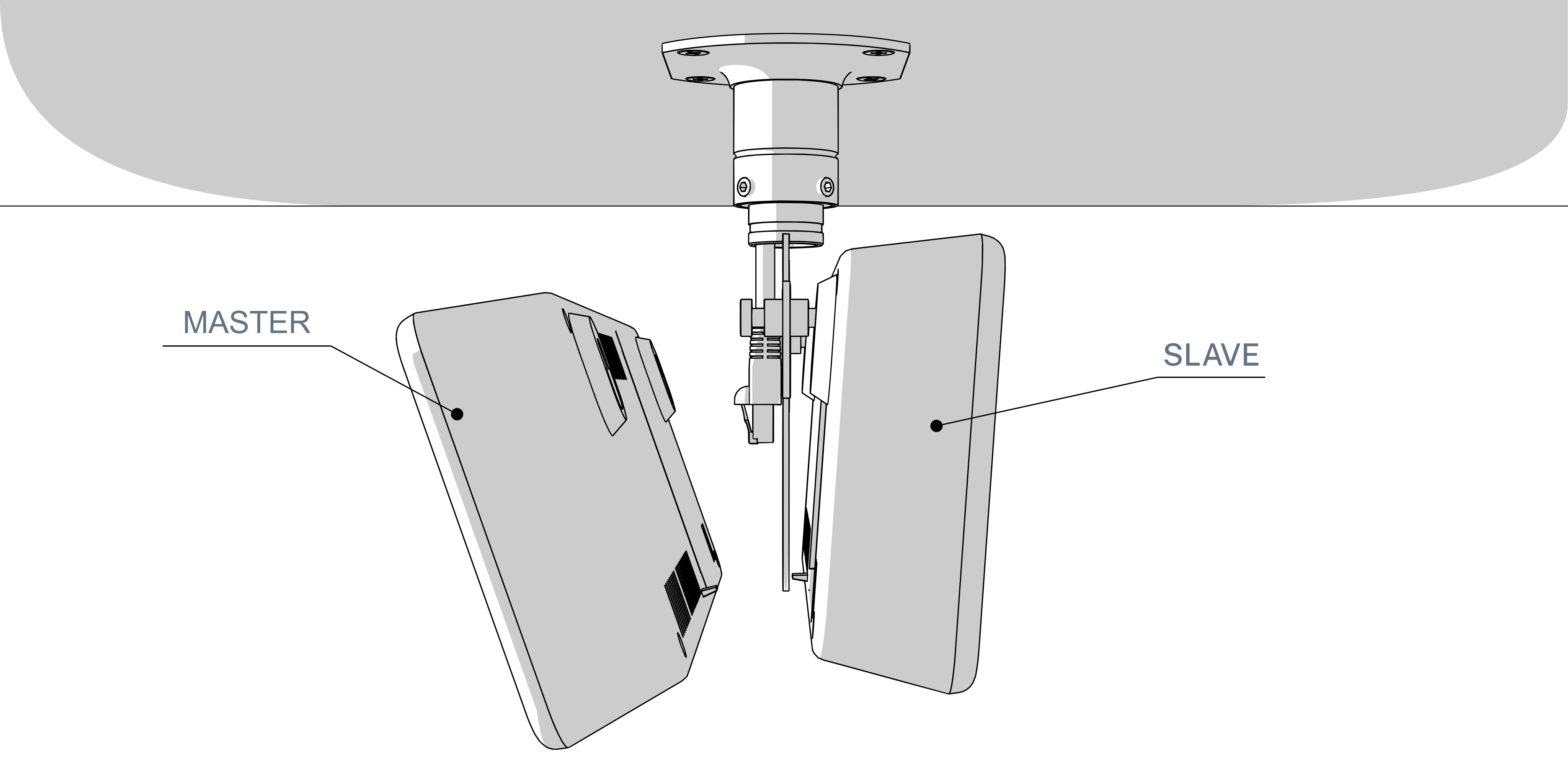
Connect the 10-core interconnecting cable from SLAVE display to MASTER display.
Caution
For the LGC variant, set the DIP switch according to the used synchronization signal (its position can be found in the chapter, marked with the letter B).
For lines synchronization, keep the DIP switch in its default position.
For all other synchronization signals (DCF, MOBALine, polarized impulse line, IRIG‑B), set the DIP switch to the DCF position.
See the chapter Clock Operation > Non-network Clock Operation for detailed information about connecting the various synchronization sources and receivers.
Step 5
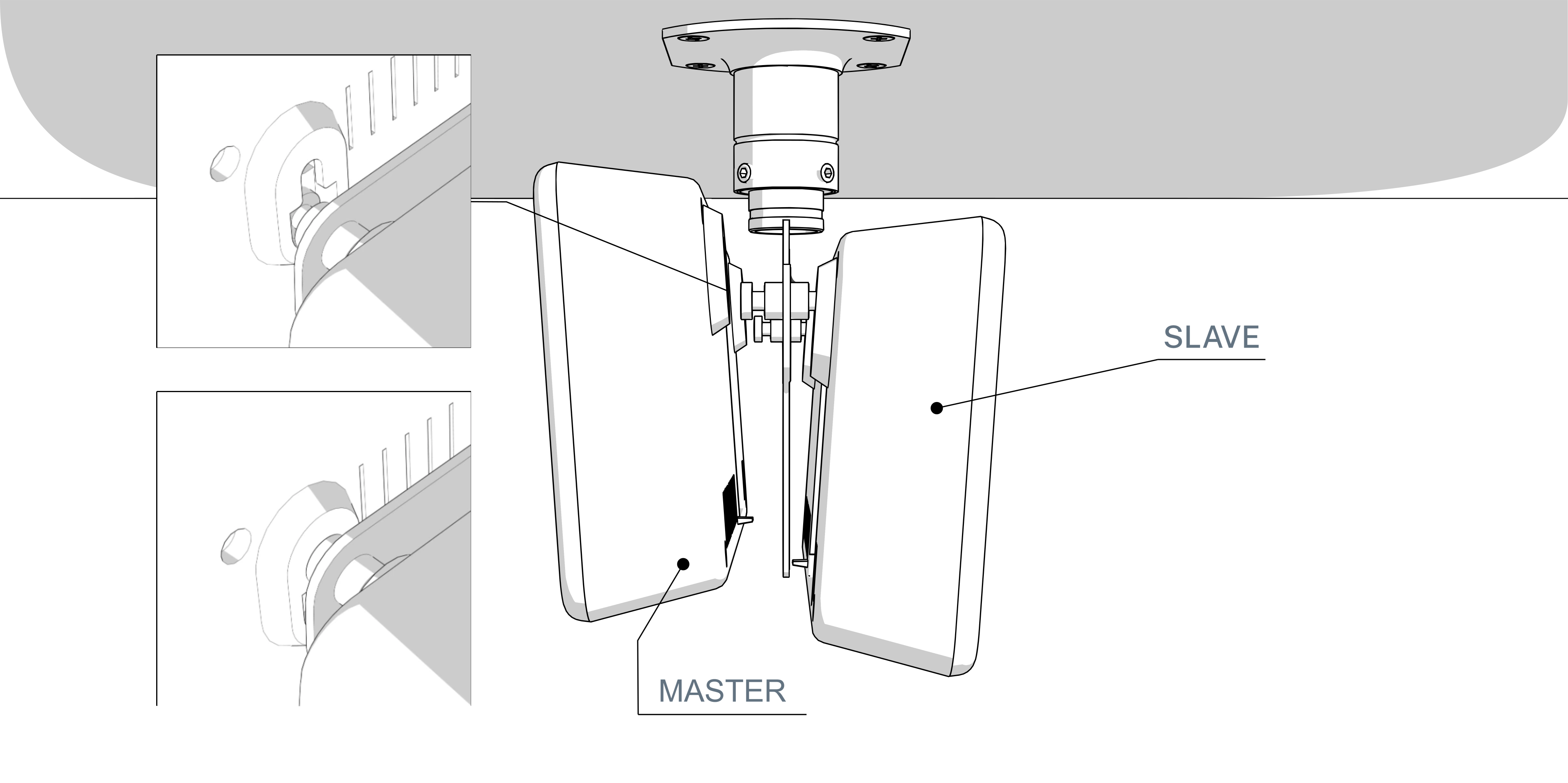
Hang the MASTER display onto the anchoring plate.
Hint
If the clock has to be tilted down slightly, cut the supporting element on bottom of back side accordingly.